Men's Pelvic Floor Physical Therapy in Denver
Pelvic floor physical therapy is commonly associated with women's health, especially pregnancy and postpartum. However, men have pelvic floor muscles too, and they can also experience pelvic floor dysfunction. The pelvic floor supports bladder and bowel function, plays a role in sexual health, and contributes to core stability. When these muscles are not functioning properly, the effects can show up in many areas of daily life.
Many men do not realize that pelvic floor physical therapy is an option for them, or that it may address symptoms they have been managing for months or even years. At Pelvic Symphony PT in Greenwood Village, we provide specialized, one-on-one pelvic floor physical therapy for men. Our goal is to help you feel comfortable with what can be an uncomfortable topic and to provide the individualized treatment you need to improve your quality of life.
What Conditions Can Pelvic Floor PT Address in Men?
Men may benefit from pelvic floor physical therapy for a wide range of symptoms. You do not need a formal diagnosis to schedule an evaluation. If something does not feel right, that is reason enough to be assessed.
Chronic Pelvic Pain
Pelvic pain in men can present as pain in the groin, perineum, testicles, penis, scrotum, or lower abdomen. Approximately 2 to 16% of men may experience pelvic pain at some point in their lives. This type of pain is frequently misdiagnosed as prostatitis or dismissed when tests come back normal. A pelvic floor physical therapist can evaluate whether your pain is being driven by spinal dysfunction, pelvic floor muscle tension, neural sensitization, tissue restriction, or a combination of these factors.
Erectile Dysfunction
Erectile dysfunction may occur anytime after the age of 20, and the prevalence increases by approximately 10% each decade after age 40. While medications, injections, and external devices are commonly used, pelvic floor physical therapy is not often mentioned as a treatment option. In general, exercise and targeted rehabilitation are effective, lower cost, and without additional side effects. Pelvic floor PT addresses the musculoskeletal and neurovascular components that contribute to ED, including spinal mobility, pelvic floor muscle coordination, blood flow, and nervous system function.
Bowel Dysfunction
Chronic constipation, straining, incomplete emptying, decreased frequency of bowel movements, and hard or loose stool can all be connected to pelvic floor function. Treatment focuses on coordination, pressure management, and muscle retraining to restore more normal bowel habits.
Urinary Symptoms
Urgency, frequency, difficulty starting or stopping your stream, post-void dribbling, or leakage during physical activity are often related to pelvic floor muscles that are too tight, too weak, or poorly coordinated. These symptoms may be caused by bladder dysfunction, pelvic floor dysfunction, or both. Pelvic floor physical therapy can help retrain muscle function and improve bladder control.
Post-Surgical Rehabilitation
Recovery from hernia repair, back surgery, hip surgery, or procedures for athletic pubalgia may benefit from pelvic floor rehabilitation. Surgery in these areas can impact the surrounding muscles, nerves, and tissues that influence pelvic floor function. Physical therapy helps restore coordination and address compensatory tension patterns that develop during recovery.
Pain With Sitting
If prolonged sitting at a desk, in a car, or on a bike causes pain in your tailbone, perineum, or pelvic region, your pelvic floor muscles or spine may be contributing factors. This type of pain typically presents with sustained positions and repetitive movements, and it often responds well to physical therapy.
How We Assess and Treat Men's Pelvic Health
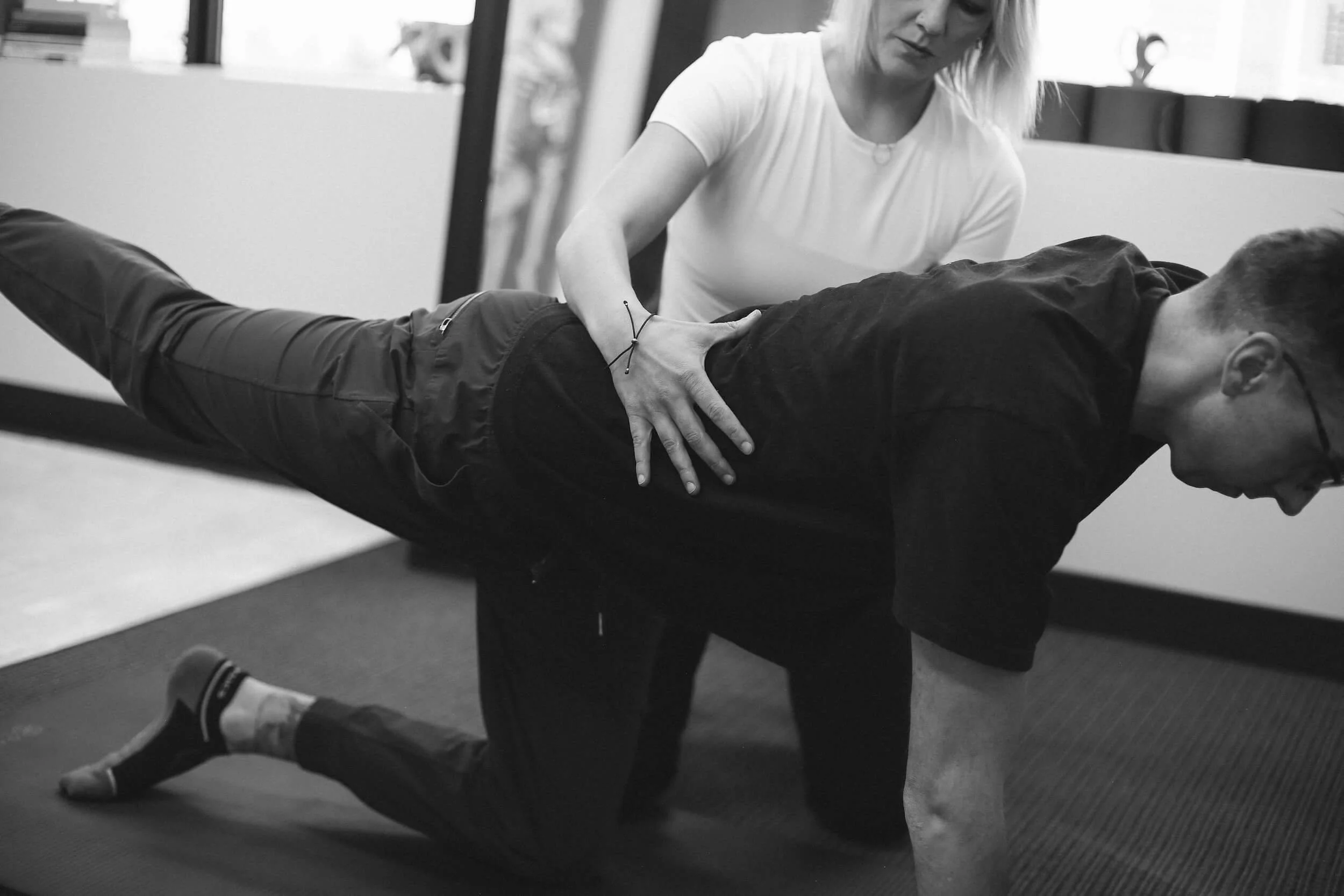
At Pelvic Symphony PT, we believe the body works like a symphony, with each aspect being a different instrument that is meant to work together. Pelvic floor symptoms are typically not just in the pelvic floor alone. They can be a result of deficits in other areas of the body. That is why we assess the whole body to determine what is driving your symptoms.
It is important to discern what is driving pelvic pain and dysfunction in order to treat it appropriately. We evaluate four primary drivers:
-
Spinal
Pain referred from the spine may present with prolonged positions like sitting or standing as well as repetitive movements. This is the most common driver and can often resolve pelvic pain quickly if addressed. We determine the directional preference of the spine and where more movement is needed, then provide exercises you can perform at home to improve spinal mobility.
-
Pelvic Floor
Pain or dysfunction referred from the pelvic floor muscles may be triggered with loading or activity. Treatment involves releasing tight muscles and learning proper loading strategies of the pelvic floor and surrounding pelvic girdle structures.
-
Neural
Pain associated with the central or peripheral nervous system requires a focus on education and desensitization, including individualized breathing exercises and graded strategies to calm overactive pain pathways.
-
Tissue
Pain referred from damage to tissues related to surgery, injury, or chronic inflammation benefits from manual therapy and dry needling to break down restrictive scar tissue and restore healthy tissue mobility.
What to Expect at Your First Appointment
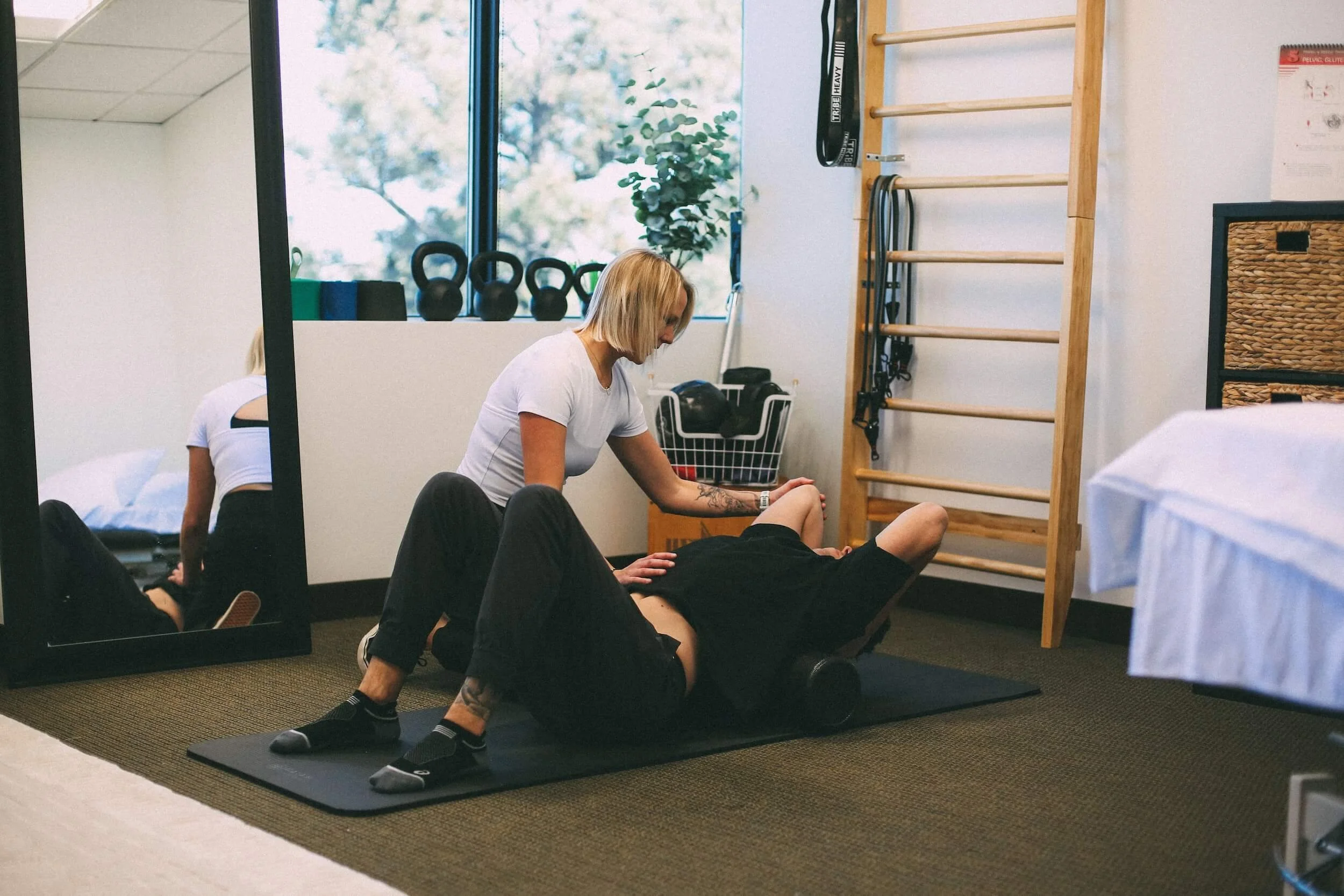
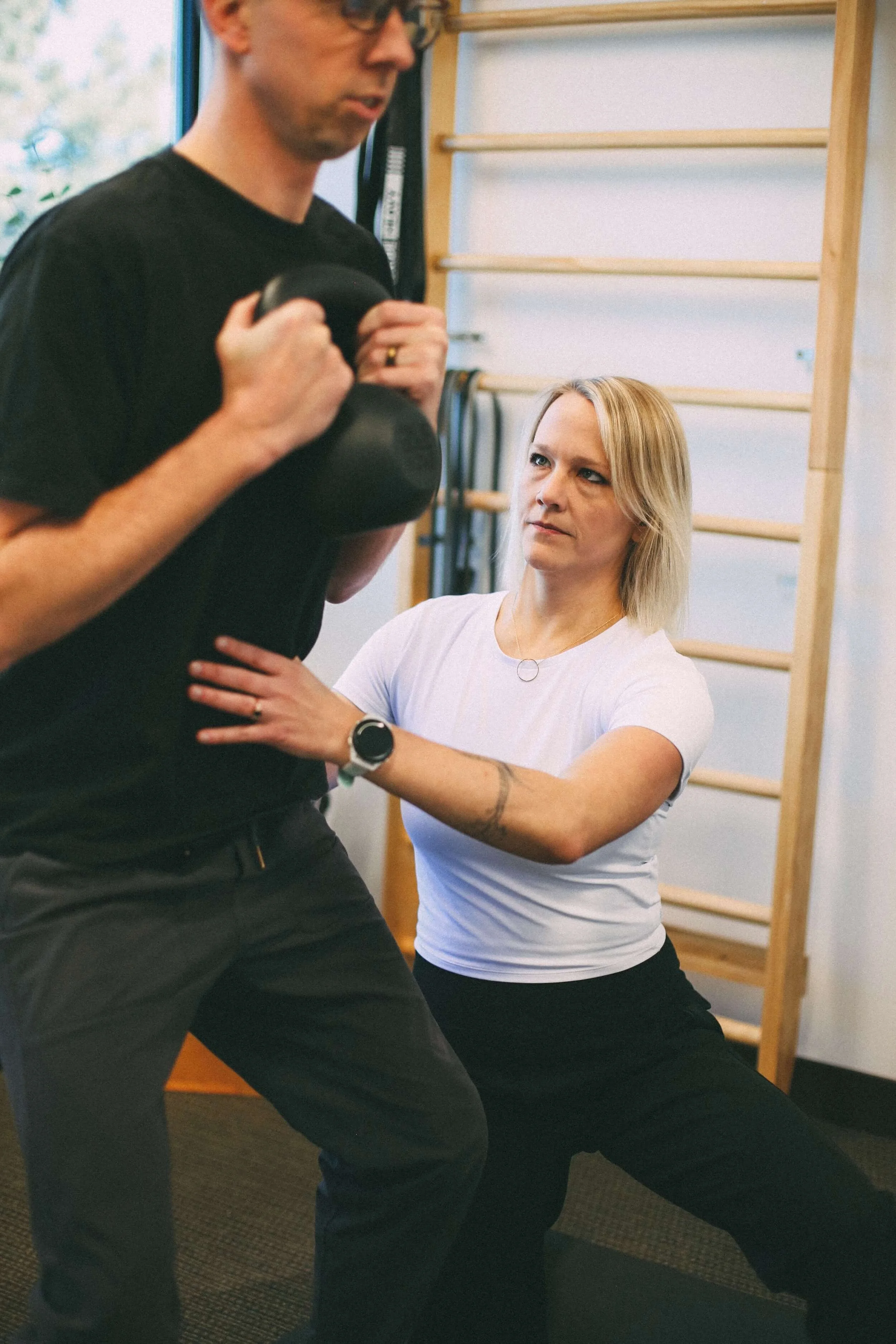
During our first session, we begin by listening to what is going on and asking questions that are relevant to finding your "why." We will ask questions regarding your symptoms related to bladder, bowel, sexual function, and pain. We follow this with assessing the body, including posture, breathing mechanics, strength and coordination, spinal and pelvic movement, and pelvic floor muscle function.
The assessment provides us with the information we need to establish the foundation of your treatment program. Exercises and interventions are provided based on what we find from these four areas. Your treatment plan is individualized to your personal needs and goals.
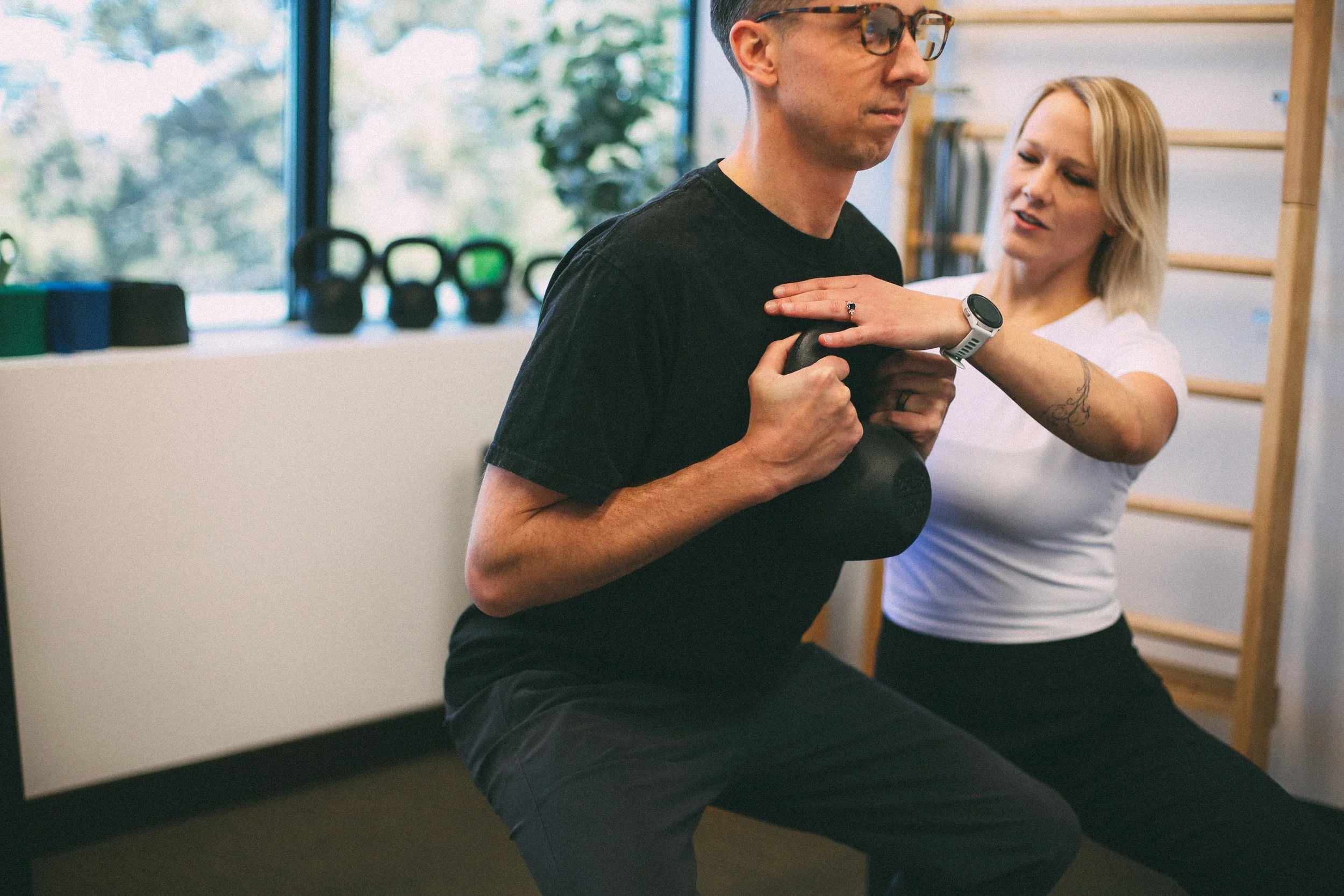
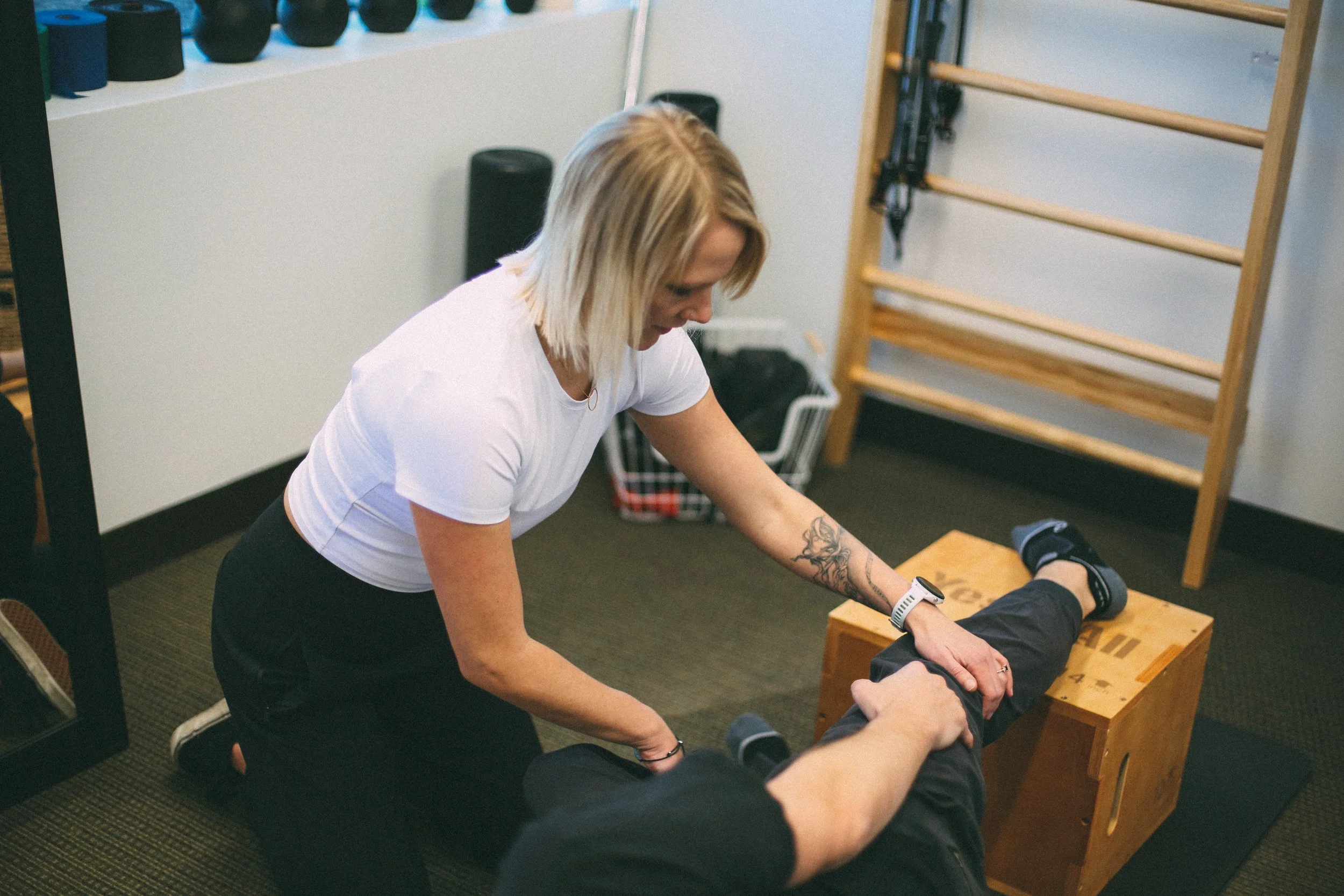
Follow-up sessions may include manual therapy techniques, targeted exercises, dry needling, posture and breathing education, bladder and bowel training, and neuromuscular re-education. We work together to find movements and exercises that help you feel better, and we modify the program when needed, whether something is not working well or is ready to be progressed.

Dr. Chelsea Speegle
Training and Expertise in Men's Pelvic Health
Dr. Chelsea Speegle has completed advanced training in men's pelvic health through Integrated Pelvic Care, specifically in male pelvic pain and erectile dysfunction. She is certified in trigger point dry needling (Levels 1 and 2) as well as pelvic floor dry needling. Chelsea began her career in orthopedics and noticed the strong need and relationship between orthopedic conditions and pelvic floor dysfunction, which is why she takes a whole-body approach with every patient.
What Our Patients Say
"If you're a guy hesitant about pelvic floor PT, don't be. Chelsea is a total pro and the results speak for themselves. This was a game-changer for my quality of life."
— Joshua C.
"After a significant procedure, I was able to make genuine progress in my recovery much quicker than expected thanks to the time dedicated and expertise provided. I would recommend 10/10! Thank you so much!”
— Danny P.
Men’s Pelvic Health Frequently Asked Questions
-
No. Men also experience pelvic floor symptoms that may be related to pain, urinary, bowel, and sexual function. We have completed advanced training specifically in men's pelvic health and treat male patients regularly.
-
A pelvic floor assessment is valuable in helping us determine what is causing your symptoms and gives us insight into how your pelvic floor muscles are working and which areas of the body may not be working enough. An internal assessment may be part of the evaluation, but we always ask for consent prior to assessment and treatment. We are also able to gather significant information through external evaluation. We strive to help you feel comfortable and respected during the entire session.
-
No. Colorado is a direct access state, which means you can schedule pelvic floor physical therapy without a referral or prescription from a physician or other healthcare provider.
-
This depends on your condition and goals. Some men see significant improvement in just a few sessions, particularly when spinal dysfunction is the primary driver. Your treatment plan is individualized and adjusted as you progress. We work together to find what works best for you.
-
All services at Pelvic Symphony PT are covered under your out-of-network physical therapy benefits. We accept payment at the time of service and provide a detailed superbill to submit to your insurance for reimbursement based on your out-of-network benefits. We accept FSA and HSA. Being out of network allows us to provide quality care with one-on-one, hour-long sessions of specialized care without the limitations provided by insurance.
-
Yes. While the prostate can be associated with pelvic floor symptoms at times, it is generally not the primary cause, especially for pelvic pain. Many cases of chronic prostatitis are actually chronic pelvic pain syndrome driven by pelvic floor muscle tension rather than infection. Physical therapy is considered a first-line treatment for this condition and often provides the improvement that antibiotics and medications cannot.
Schedule Your Evaluation
Pelvic floor physical therapy is a conservative treatment option to address and improve pelvic health in men. At Pelvic Symphony PT, we are specialized to address and provide individualized treatment of pelvic floor function. Call 720.814.0126 or email info@pelvicsymphonypt.com to schedule your evaluation. No referral is needed to get started.
Pelvic Health Support & Insights