
Chronic pelvic pain in men is often misunderstood and frequently mistreated. Approximately 11.5% of men under 50 may experience chronic pelvic pain — and that number may actually be higher, since the condition is commonly underdiagnosed.
Many men simply don't feel comfortable bringing it up, and on average, it takes 4.2 years for men to seek help for their symptoms. When they finally do, they're often bounced between providers — primary care physicians, urologists, gastroenterologists, psychiatrists or psychologists, orthopedists, even emergency medicine physicians — without ever getting a clear answer or a solution that sticks.
So what exactly is Chronic Pelvic Pain Syndrome (CPPS)? What parts of the body does it affect? And how can pelvic floor physical therapy help? CPPS is defined as pain or discomfort in the pelvic region lasting at least three of the past six months. That pain can show up in the penis, testicles, scrotum, perineum, pelvic floor muscles, groin, abdominal wall, and even the back and hips. In some cases the prostate plays a role, but not always. Symptoms can flare with everyday activities like sitting or standing, and are often tied to urinary, bowel, or sexual function.
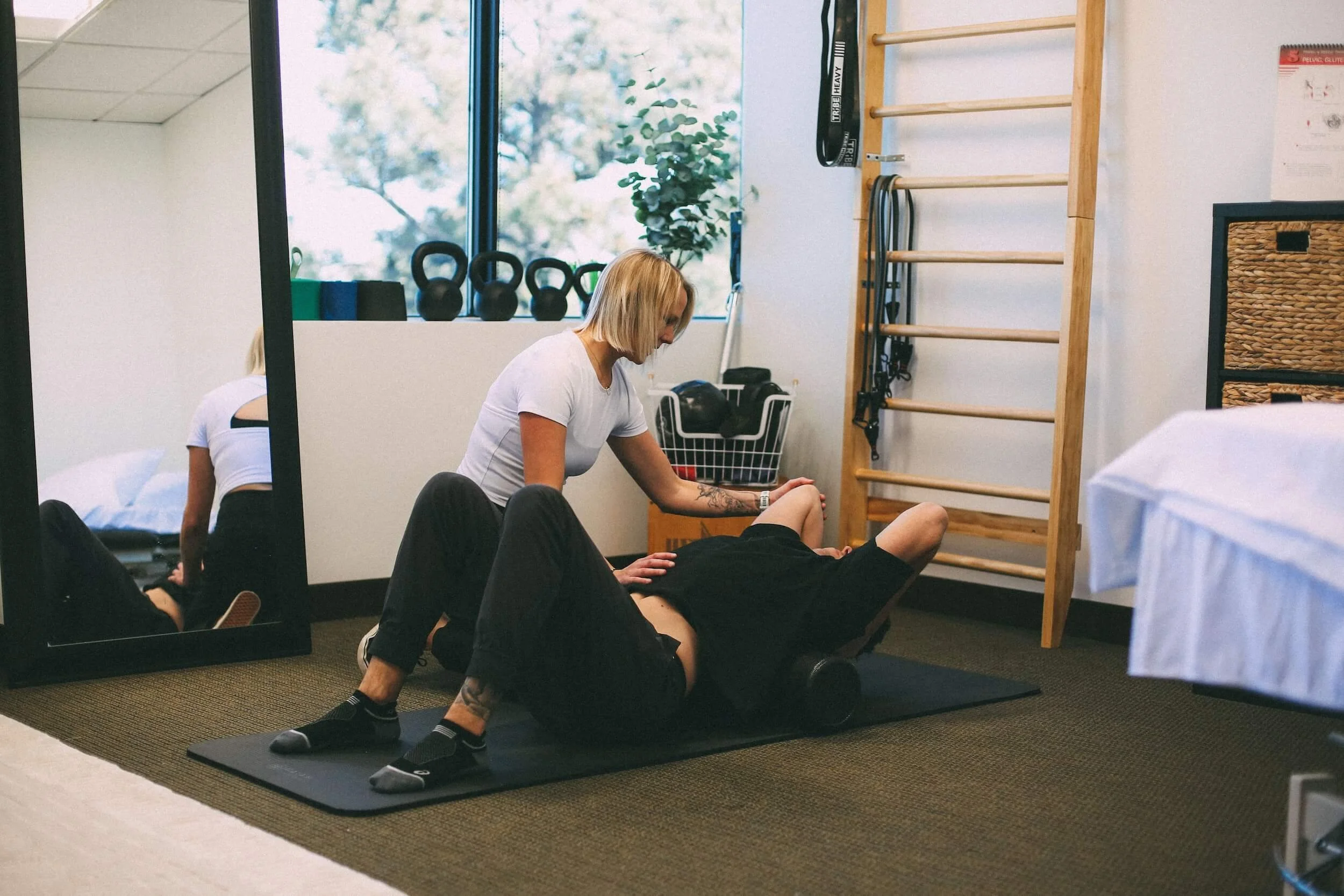
Here's the good news: pelvic floor physical therapy is an effective, evidence-based, and conservative treatment option for chronic pelvic pain in men. It takes a multimodal approach — combining manual therapy, neuromuscular re-education, therapeutic exercise, and lifestyle modification and education. Research shows that 57–82% of men improve with pelvic floor physical therapy. One key finding worth noting: outcomes are better with therapists who have specialized training in male pelvic health, compared to general physical therapists without that focus.
Here's what an initial evaluation and follow-up care look like at Pelvic Symphony PT. During the initial evaluation, we begin by gathering your history — any current or past issues related to pain, discomfort, urinary function, bowel function, and male sexual function. This subjective history gives us clues about where to focus our hands-on objective exam. Based on those findings, we provide relevant manual therapy and a home exercise program, and by the end of the visit, we've formed an initial hypothesis about what's driving your symptoms.
Over the next 2–4 visits, we work together to test that hypothesis — tracking what helps and what doesn't — until we identify the true "why" behind your pain. Once we've found it, we tailor an individualized treatment plan and give you the tools to manage your symptoms and build lasting, long-term improvement.
A common question we get is, "How long will this take?" The honest answer is: it depends. Recovery timelines vary based on how long your symptoms have been present, your lifestyle, past medical history, mindset, and more. As much as we wish we could offer a "magic pill," it simply doesn't exist — but we'll work together on an individualized approach that also fits your schedule.
Chronic pelvic pain in men doesn't have to be a mystery you manage alone or a problem you simply learn to live with. Pelvic floor physical therapy offers a real, evidence-based path forward — one built around understanding your specific "why" and treating it with an individualized plan. If you've been dealing with pelvic pain and haven't found answers yet, know that help exists, and it starts with finding a pelvic floor physical therapist who specializes in male pelvic health.
At Pelvic Symphony PT in the Denver Tech Center, Dr. Chelsea Speegle, PT, DPT, PCES has completed advanced training in men's pelvic health, specifically in male pelvic pain and erectile dysfunction. If you have been treated for prostatitis without improvement, schedule an evaluation to find out what is actually driving your pain. Call 720.814.0126 or email info@pelvicsymphonypt.com. No referral is needed."