
If you're a man who has been dealing with pain in the pelvic floor, groin, or genitals, there's a good chance you've been diagnosed with prostatitis by a medical provider. It's one of the most common diagnoses given to men experiencing pelvic pain — but it's also one of the most commonly misdiagnosed.
For years, any pelvic-related pain in men was immediately assumed to be related to the prostate. "True" prostatitis refers specifically to a bacterial infection in the prostate gland, typically diagnosed through a combination of physical findings and lab work such as urine and blood cultures. But when those results come back negative for infection, many men continue to be treated with antibiotics anyway, under the assumption that the pain must still be prostate-related. In reality, only about 5-10% of cases are bacterial — over 90% have no identifiable infection at all. So what are the key reasons this keeps getting misdiagnosed?
Pelvic floor muscle dysfunction is underrecognized. Once a bacterial infection has been ruled out, most men with chronic pelvic pain actually have tenderness in the pelvic floor and abdominal wall muscles.
Symptoms overlap across conditions. Chronic pelvic pain in men typically shows up as perineal, suprapubic, testicular, or penile pain, often alongside urinary or sexual symptoms — which can look a lot like prostatitis, interstitial cystitis/bladder pain syndrome, or other neuropathic conditions.
Neuropsychological factors are underappreciated. Central sensitization, anxiety, and depression can all contribute to chronic pelvic pain syndrome, and none of that gets addressed by prostate-focused treatment.
So if a man has negative cultures and no signs of infection, what's actually going on — especially from a pelvic floor physical therapy standpoint?
Pelvic floor dysfunction. Tension or spasming in the pelvic floor muscles can cause aching or pressure in the pelvis, groin, or genitals.
Nerve irritation and entrapment. The pudendal nerve is the main nerve supplying the pelvic floor, and it runs through the pelvis. When it's compressed or irritated, it can create pain throughout the pelvic region.
Trigger points. Tension in other areas of the body — the back, hips, and abdomen — can create trigger points that refer pain to the perineum, groin, and genitals.
Central sensitization. In chronic cases, an injury or long-term stress in the pelvis, back, or hips can make the nervous system more sensitive over time, amplifying pain signals even after the original injury or stressor has resolved.
Urologists and other medical providers aren't specifically trained in musculoskeletal assessment — their training is centered on identifying and treating pathology. There's also no single test that points to pelvic floor muscle dysfunction, which makes it easy to miss. And when the pain is actually coming from the musculoskeletal system, no pharmacological treatment will resolve it, so the real source of the pain goes unaddressed.
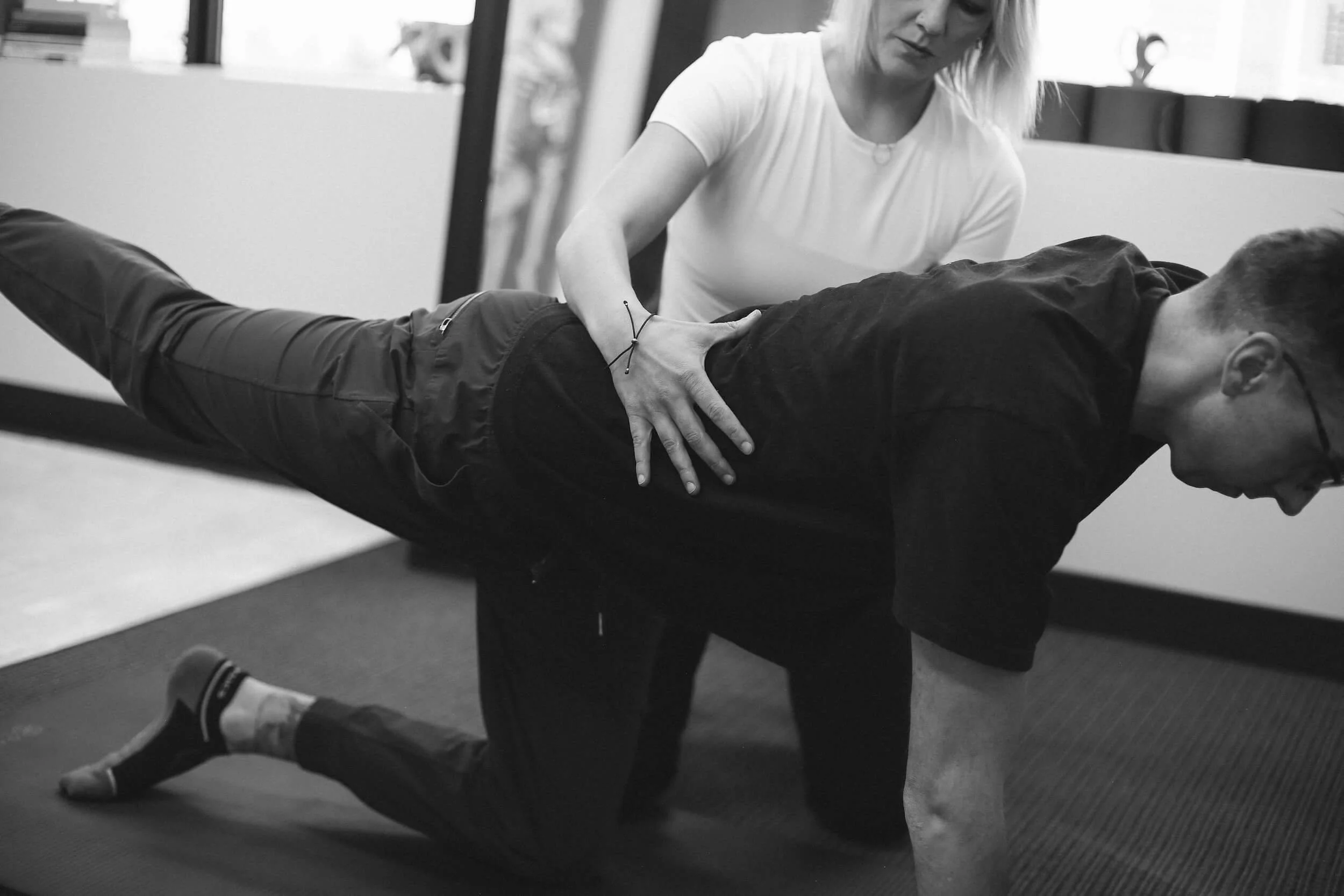
What can help? Pelvic floor physical therapists are trained specifically in musculoskeletal conditions. They can assess the muscles, nerves, and connective tissue involved in pelvic pain — and treat them directly.
If you've been diagnosed and treated for prostatitis but aren't making much progress, it's worth asking whether your pain is actually coming from muscle or nerve dysfunction instead. Seeing a urologist familiar with chronic pelvic pain, or a pelvic floor physical therapist who specializes in men's health, is often a more effective — and very different — way to finally get answers.
\At Pelvic Symphony PT in the Denver Tech Center, Dr. Chelsea Speegle, PT, DPT, PCES has completed advanced training in men's pelvic health, specifically in male pelvic pain and erectile dysfunction. If you have been treated for prostatitis without improvement, schedule an evaluation to find out what is actually driving your pain. Call 720.814.0126 or email info@pelvicsymphonypt.com. No referral is needed."