
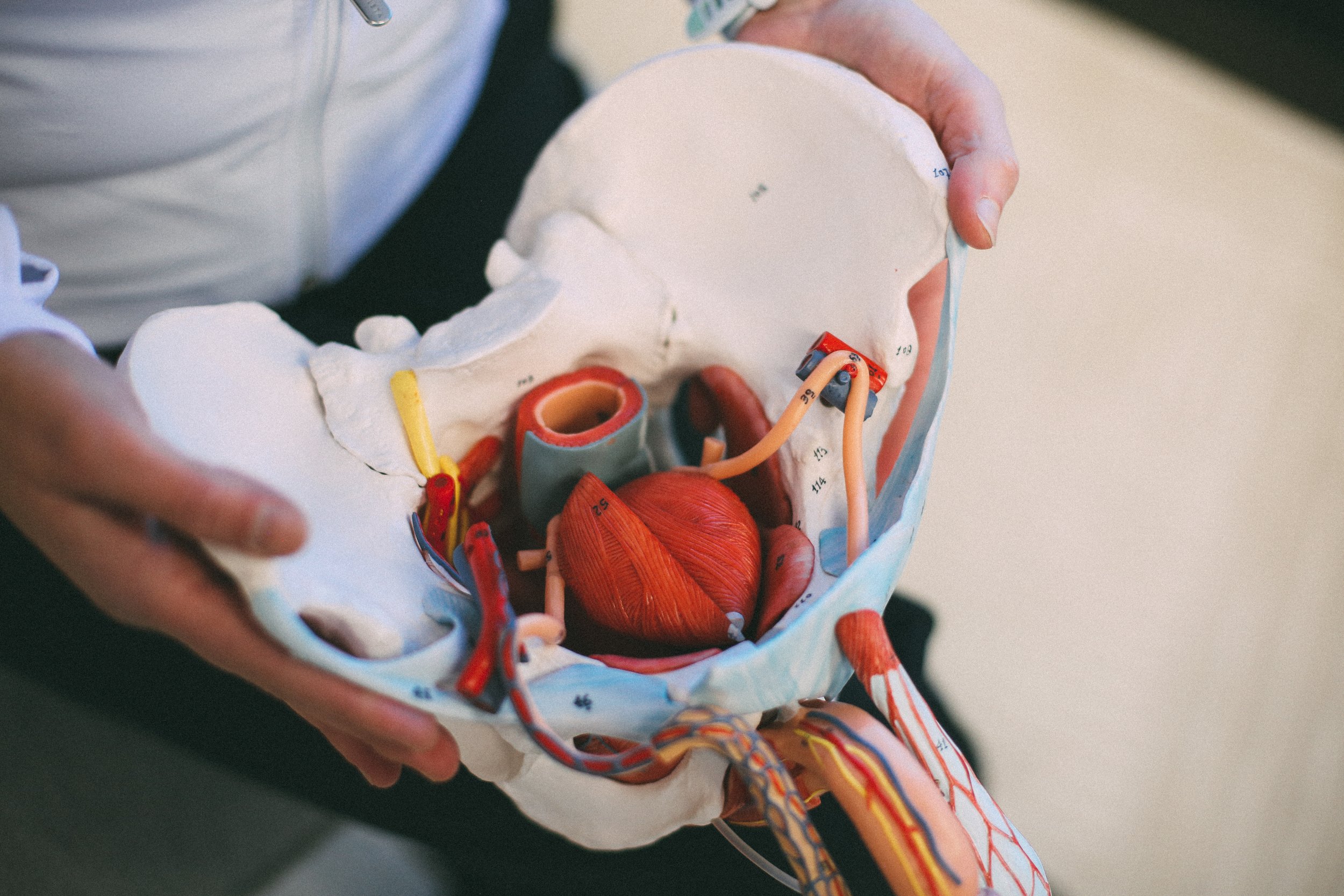
What Is Pelvic Organ Prolapse?
Pelvic organ prolapse occurs when the muscles and connective tissues supporting the pelvic organs weaken, allowing one or more organs to descend into or through the vaginal canal. It's a common condition, and understanding your options can help you make informed decisions about treatment.
There are three main types of prolapse:
Cystocele — the bladder descends into the front wall of the vaginal canal
Rectocele — the rectum descends into the back wall of the vaginal canal or through the anus
Uterine prolapse — the uterus slips into the vaginal canal and may protrude beyond the vulva
What Does Prolapse Feel Like?
Prolapse symptoms can vary, but many people describe sensations of heaviness, pelvic pressure, a visible or palpable bulge in the vagina, or a feeling that a tampon is falling out. Bladder and bowel symptoms — such as difficulty emptying, urgency, or leakage — may also accompany prolapse.
What Causes Pelvic Organ Prolapse?
Prolapse develops when the connective tissue and muscles that support the pelvic organs become weakened or stretched. Contributing factors include hormonal changes during pregnancy, postpartum recovery, and menopause. However, the most common causes involve prolonged or repetitive increases in abdominal pressure — such as chronic coughing, heavy lifting without proper pressure management, and chronic constipation. Recent research has also identified a genetic component to prolapse risk.
Treatment Options for Pelvic Organ Prolapse
Pessary
A pessary is a non-surgical device inserted into the vagina to provide internal support and relieve prolapse symptoms. Finding the right fit may take a couple of attempts — one size does not fit all. It's important to work with a medical provider who is trained in thorough assessment and pessary fitting.
Pelvic Floor Physical Therapy
A pelvic floor physical therapist will assess your posture, breathing mechanics, pelvic floor muscle function, and other areas of the body that may be influencing your symptoms. Treatment focuses heavily on pressure management education — learning how to reduce and control intra-abdominal pressure during daily activities, exercise, and lifting. In many cases, a pessary can be used in combination with pelvic floor PT for optimal results.
Surgery
Surgical repair is an option for certain cases of prolapse, though not all procedures are successful long-term. Research shows that patients who complete pelvic floor physical therapy both before and after surgery tend to have better outcomes and higher success rates. This is because they've already learned how to manage intra-abdominal pressure and optimize pelvic floor muscle function — skills that support long-term surgical results.
Prolapse Treatment in the Denver Tech Center
If you're experiencing symptoms of pelvic organ prolapse, know that you have options beyond surgery. At Pelvic Symphony PT in Greenwood Village, Dr. Chelsea Speegle, PT, DPT, PCES provides individualized assessment and treatment to help you manage prolapse and return to the activities you enjoy. Contact us today to schedule an evaluation.