
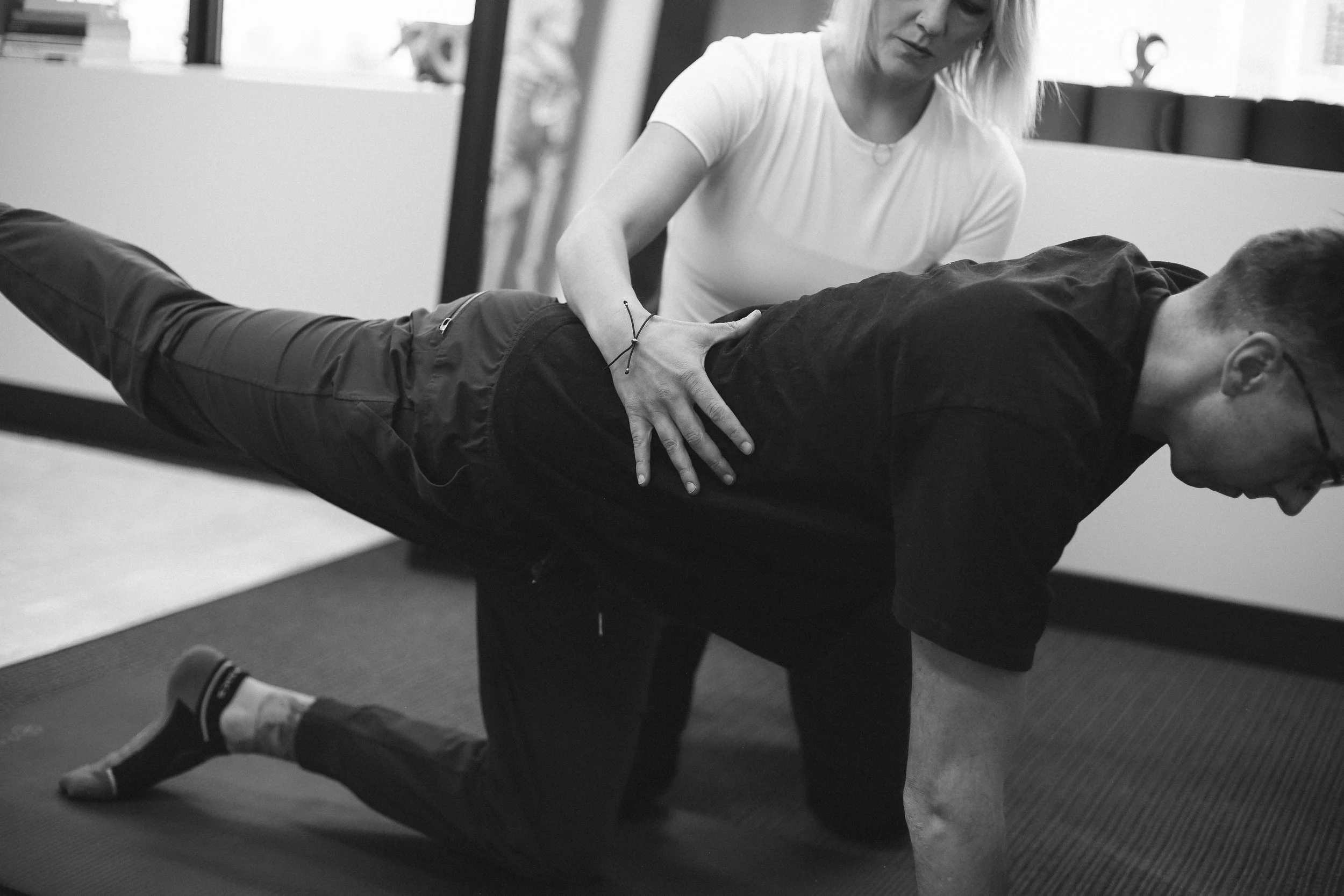
Male Pelvic Pain Is More Common Than You Think
If you're a man dealing with pelvic pain, you're not alone — and the cause may not be what you expect. A common misconception is that male pelvic pain is always related to the prostate. In reality, the prostate is generally not the primary cause of pelvic pain in men, even though it can contribute to symptoms in some cases.
Research suggests that approximately 2–16% of men experience pelvic pain at some point in their lives. Beyond the pain itself, pelvic floor dysfunction in men can affect bladder function, bowel habits, and sexual health. It can also disrupt sleep, reduce energy and concentration, and contribute to psychological distress including anxiety and depression.
Men may describe pelvic pain as discomfort in the penile, testicular, scrotal, groin, or perineal regions — or a combination of these areas.
The 4 Primary Drivers of Male Pelvic Pain
While medications, injections, and procedures may help manage symptoms, lasting relief requires identifying what's actually driving the pain. A pelvic floor physical therapist will evaluate four common drivers to determine the best course of treatment:
1. Spinal Dysfunction
Pain referred from the spine is the most common driver of male pelvic pain — and often the fastest to resolve. This type of pain typically presents with prolonged sitting or standing and repetitive movements. A pelvic floor physical therapist can identify the directional preference of your spine and prescribe targeted mobility exercises you can do at home.
2. Pelvic Floor Muscle Dysfunction
When pain originates from the pelvic floor muscles themselves, it may be triggered by loading or physical activity. Treatment focuses on releasing tight muscles and retraining proper loading strategies for the pelvic floor and surrounding pelvic girdle structures.
3. Neural Sensitization
Pain associated with the central or peripheral nervous system requires a different approach. Treatment centers on nervous system desensitization through education, individualized breathing exercises, and graded exposure strategies.
4. Tissue Damage
Pain caused by tissue damage — from surgeries, accidents, or other trauma — benefits from manual therapy techniques designed to break down restrictive scar tissue and restore healthy tissue mobility.
What to Expect From Pelvic Floor Physical Therapy for Men
During your initial evaluation, your physical therapist will ask detailed questions about your symptoms related to bladder, bowel, sexual function, and pain. The objective exam typically includes assessment of your posture, pelvic girdle alignment, spinal movement and strength, pelvic floor muscle function, and breathing mechanics.
Follow-up sessions may include manual therapy techniques, targeted exercises, posture and breathing education, dry needling, bladder and bowel training, and neuromuscular re-education — all tailored to your specific findings and goals.
Common Conditions Treated in Men's Pelvic Floor PT
Urinary incontinence following prostate surgery or due to pelvic floor dysfunction
Chronic pelvic pain from prostatitis, pudendal neuralgia, or muscular tension
Erectile dysfunction related to pelvic floor muscles, circulation, or spinal mobility
Post-prostatectomy rehabilitation
Chronic constipation and bowel dysfunction
Post-surgical rehabilitation for hernia repair, back surgery, or athletic pubalgia
Men's Pelvic Floor Physical Therapy in Denver
Many men don't realize that pelvic floor physical therapy is an option — or that it can be one of the most effective, conservative treatments available. At Pelvic Symphony PT in the Denver Tech Center, Dr. Chelsea Speegle, PT, DPT, PCES specializes in individualized treatment of pelvic floor dysfunction in men. If you're experiencing pelvic pain, urinary issues, or sexual dysfunction, schedule an evaluation to start your path toward relief.