
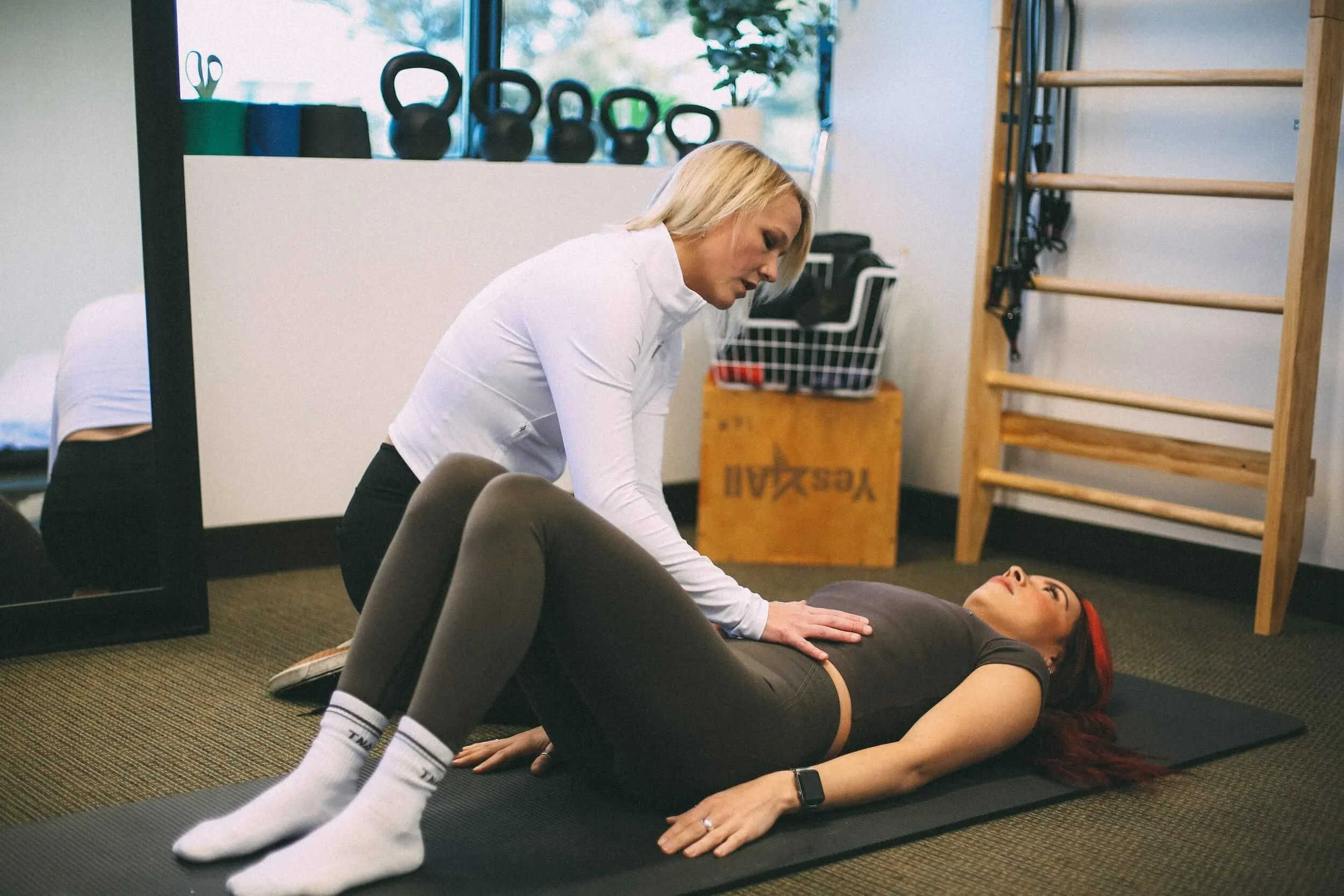
Pelvic Pain Physical Therapy in Denver
Pelvic pain impacts quality of life. It can affect how you sit, sleep, exercise, work, and engage in relationships. Beyond the physical discomfort, pelvic pain can create disturbance in sleep, concentration, and energy, as well as psychological distress such as depression and anxiety. Many people with pelvic pain have tried medications, procedures, and other treatments without finding lasting relief.
While there are treatments that may help with diminishing or resolving pelvic pain, if we do not find what is causing the pain, it may return or continue to persist. At Pelvic Symphony PT in Greenwood Village, we focus on finding the "why" behind your pelvic pain. Dr. Chelsea Speegle, PT, DPT, PCES takes a whole-body approach to identify what is actually driving your symptoms so that treatment addresses the root cause, not just the symptoms.
What Does Pelvic Pain Feel Like?
sensation, burning, pressure, or heaviness. It can be constant or it may come and go. Pain may stay in one area or move around. Common areas where people experience pelvic pain include:
Lower abdomen or deep pelvic region
Groin, hip, or inner thigh
Tailbone or sacrum
Perineum (the area between the genitals and anus)
Penile, testicular, or scrotal regions in men
Vaginal or vulvar area in women
Low back that does not respond to typical back treatments
Pelvic pain may also impact bladder and bowel function, sexual function, and the ability to sit or stand for extended periods. If any of these symptoms sound familiar, pelvic floor physical therapy may be able to help.
Why Pelvic Pain Is Often Difficult to Diagnose
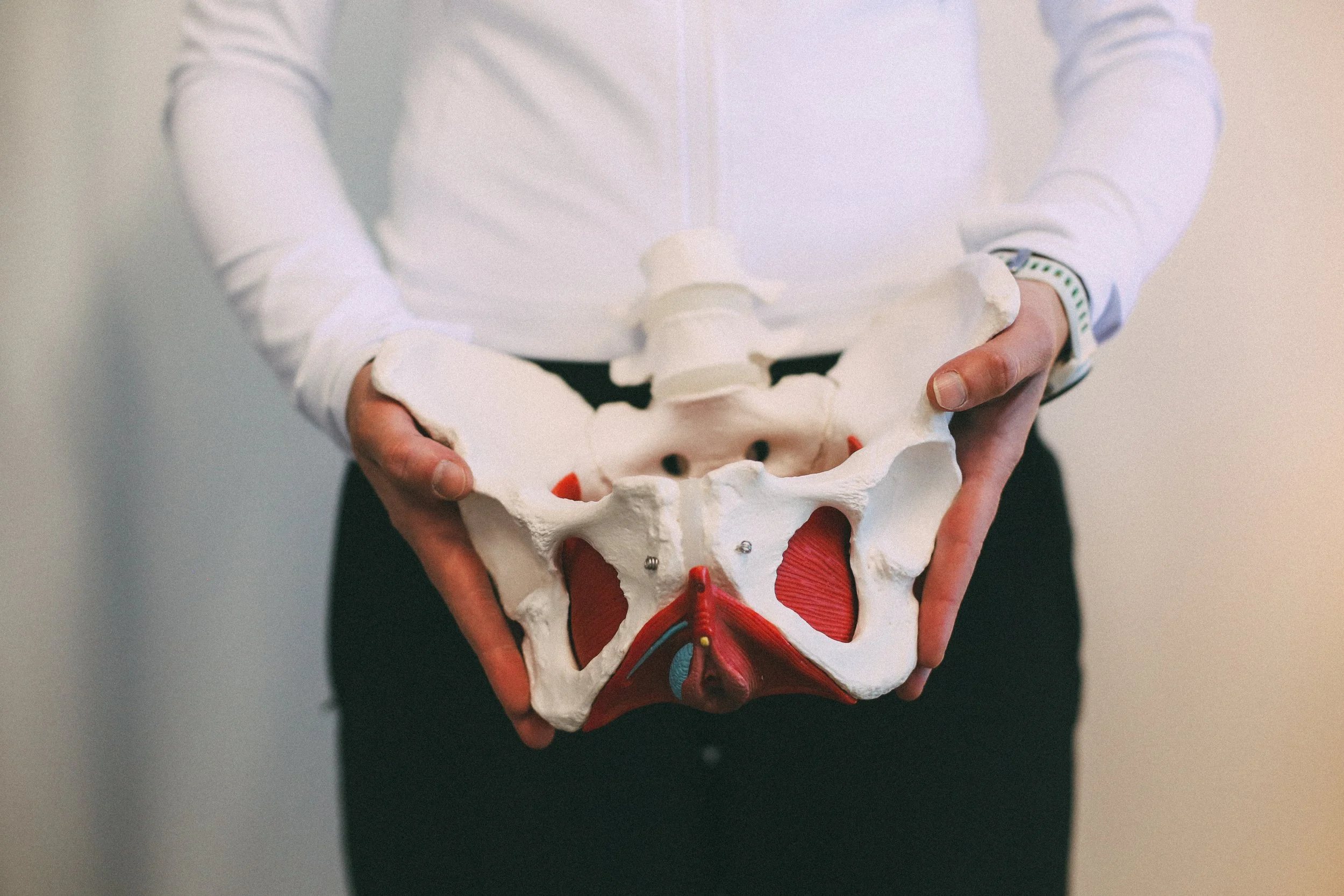
The pelvis is a complex region where muscles, nerves, joints, and organs all share space and nerve pathways. Pain in one area can originate from a completely different source. A man with testicular pain may actually have a spinal mobility issue. A woman with deep pelvic pressure may have pelvic floor muscles that are compensating for deficits elsewhere in the body.
Many people with chronic pelvic pain have seen multiple providers and tried various treatments without finding lasting relief. That does not mean the pain is not real. It often means the driver has not been identified. Pelvic floor physical therapy is uniquely suited to assess the musculoskeletal, neural, and functional components that imaging and bloodwork cannot always capture.
The Four Drivers of Pelvic Pain
It is important to discern what drives pelvic pain in order to treat it appropriately. At Pelvic Symphony PT, we evaluate four primary drivers that are common causes of pelvic pain. Most people have more than one driver contributing to their symptoms, which is why looking at the body as a whole matters.
-
Spinal Dysfunction
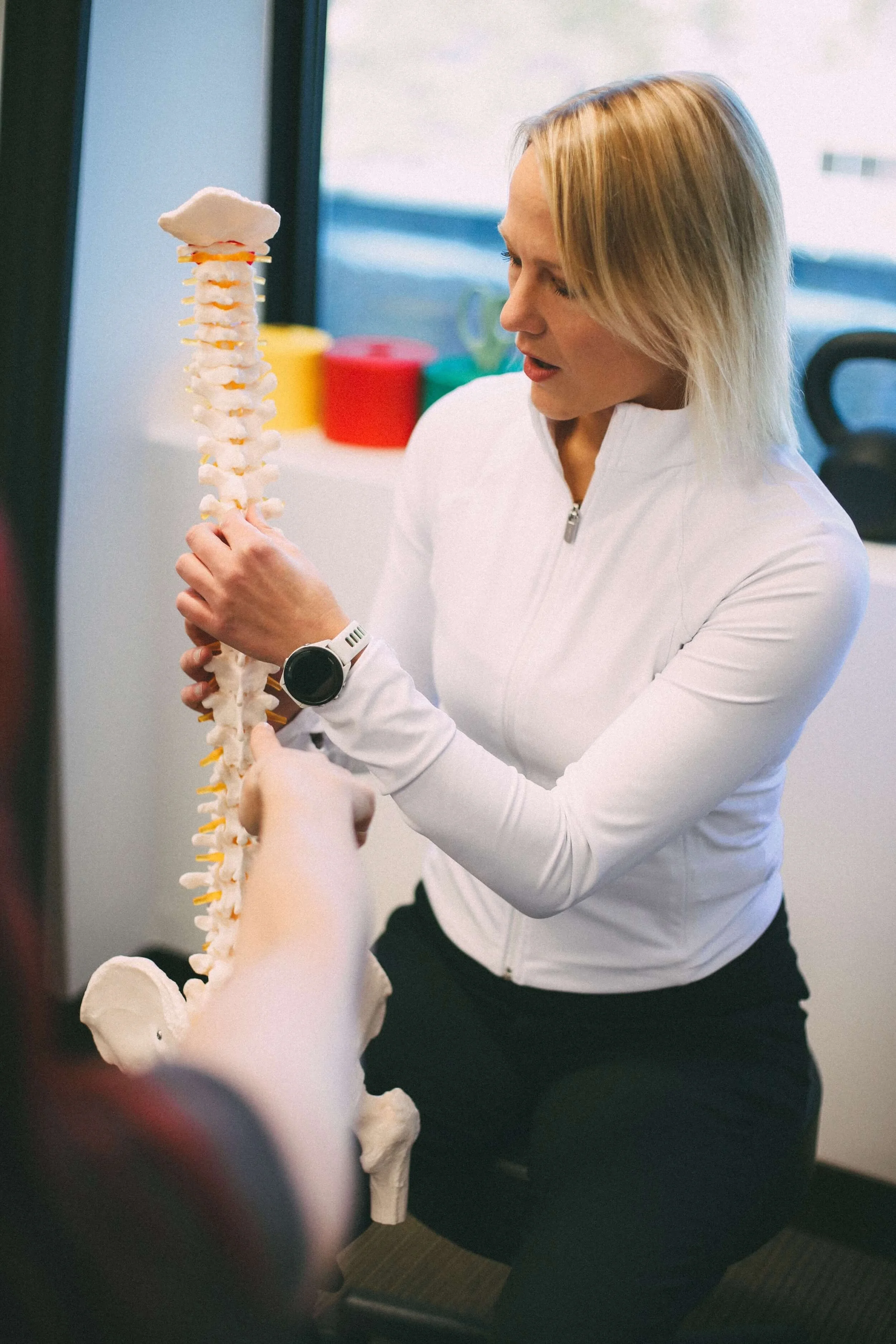
Pain referred from the spine may present as pain that occurs with prolonged positions like sitting or standing as well as repetitive movements. This is the most common cause and can quickly resolve pelvic pain if addressed. A pelvic floor physical therapist can determine the directional preference of the spine and direct which movement exercises to perform at home to gain more mobility.
-
Pelvic Floor Muscle Dysfunction
Pain referred from the pelvic floor muscles may be triggered with any loading. The pelvic floor muscles may be too tight, too weak, or not coordinating properly. Treatment focuses on releasing tight muscles and learning proper loading strategies of the pelvic floor and other surrounding muscle structures of the pelvic girdle.
-
Neural Sensitization
Pain associated with the central or peripheral nervous system can develop when pain persists over time. The nervous system itself can become part of the problem, amplifying normal signals into painful ones. Conditions such as pudendal neuralgia fall into this category. Treatment focuses on education for desensitization of the nervous system, including individualized breathing exercises and graded movement strategies.
-
Tissue Restriction
Pain referred from damage to tissues related to trauma like surgeries, accidents, childbirth, or chronic inflammation can restrict normal tissue mobility. Manual therapy, including dry needling, helps break down any restrictive muscles or scar tissue and restore healthy tissue function.
Conditions We Treat
Pelvic Symphony PT treats pelvic pain in both men and women. Common conditions include:
Chronic pelvic pain syndrome (CPPS/CP)
Tailbone pain (coccydynia)
Pudendal neuralgia
Pain with intercourse in men and women
Vulvodynia and vestibulodynia
Vaginismus
Chronic prostatitis symptoms
Groin pain and athletic pubalgia
Post-surgical pelvic pain (hernia repair, cesarean, abdominal surgery)
SI joint and sacral pain
Pelvic pain during pregnancy or postpartum
Pubic symphysis pain
Pain with bladder or bowel function
Interstitial cystitis (bladder pain syndrome)
Endometriosis

What to Expect From Treatment
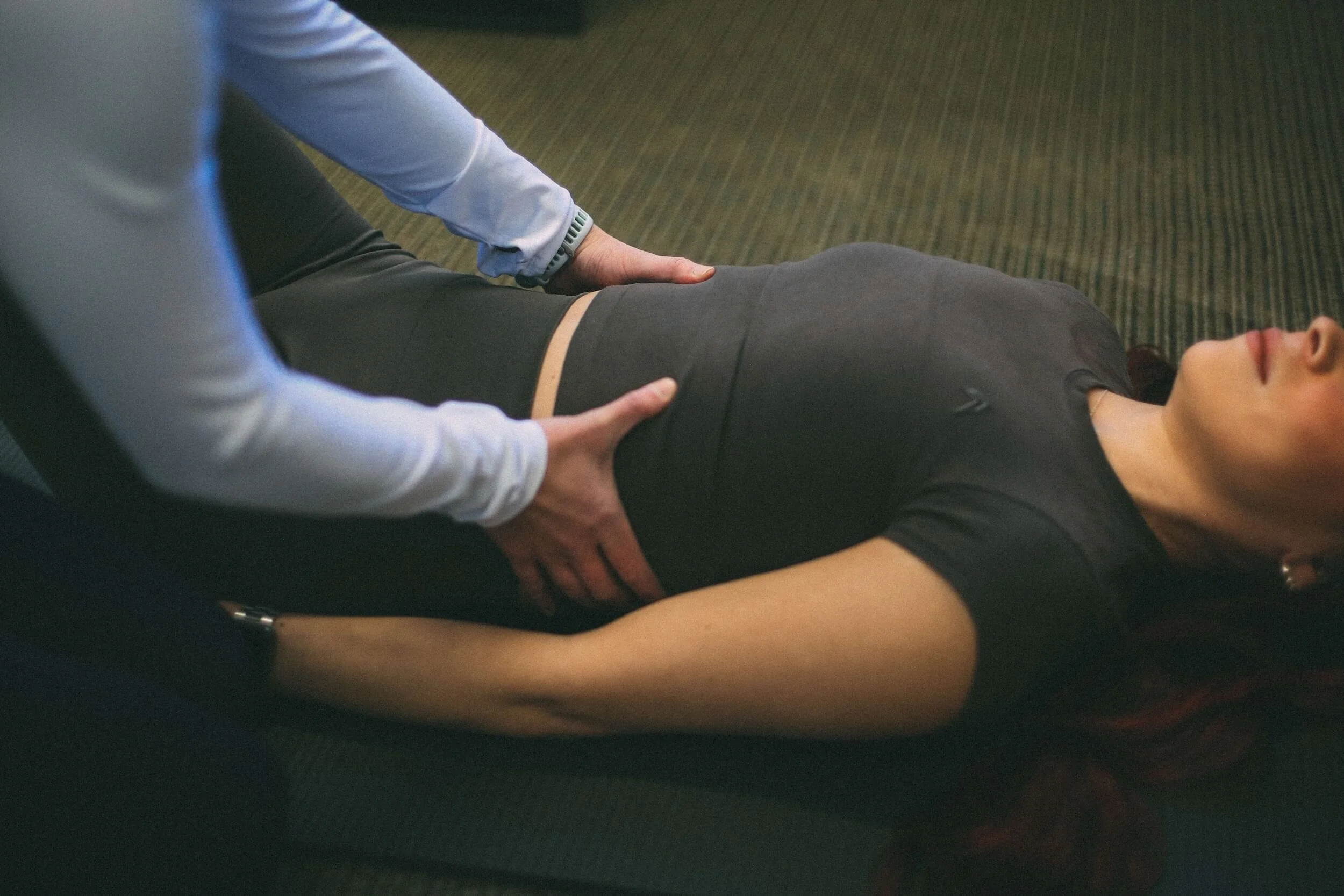
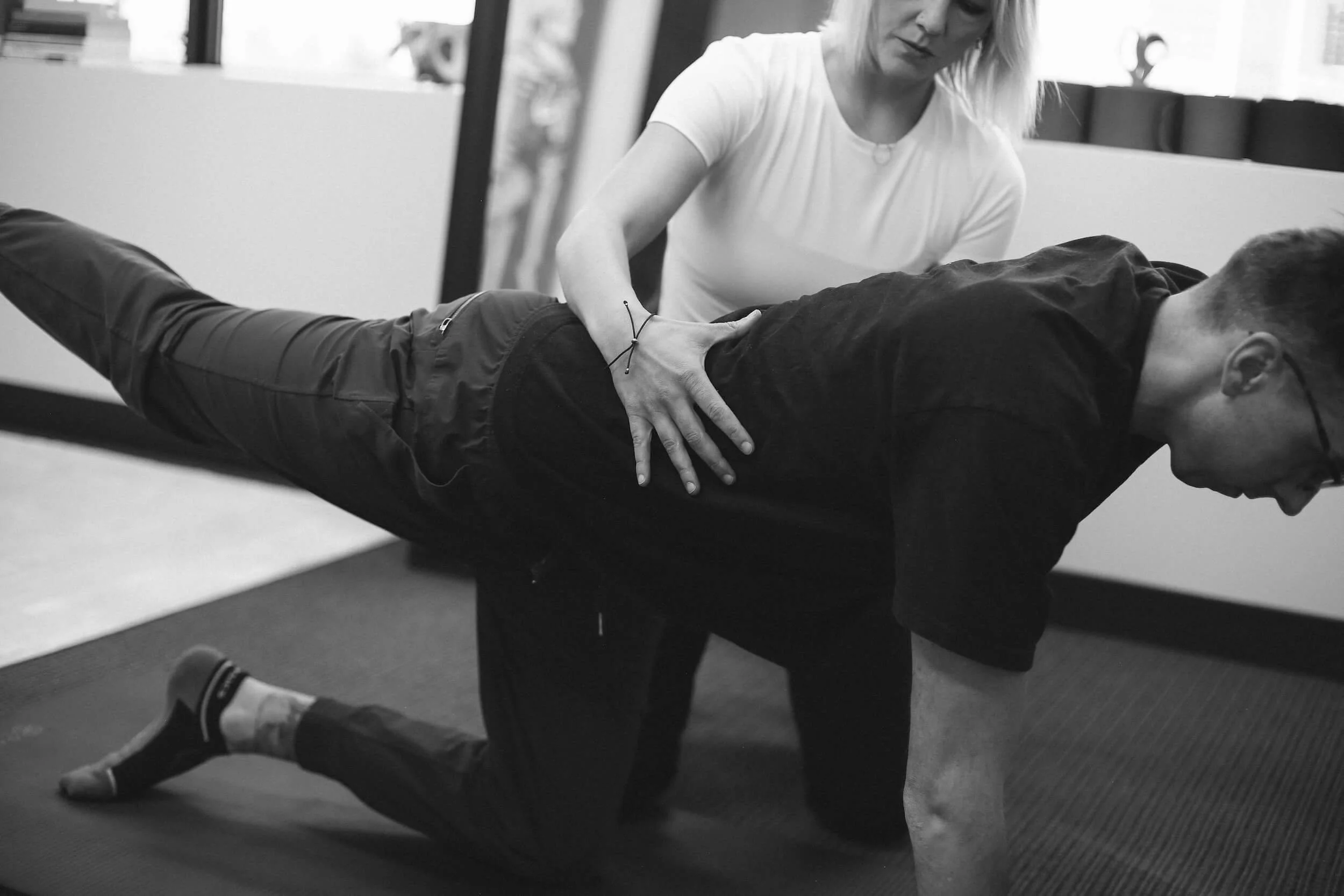
During our first session, we begin by listening to what is going on and asking any questions that may be relevant to finding your "why." We follow this with assessing the body, including posture, breathing mechanics, strength and coordination, movement, spinal and pelvic girdle mobility, and pelvic floor muscle function. The assessment provides us with information to establish the foundation of your treatment program that best suits your personal goals.
Treatment is individualized and will be focused on what is found during the evaluation. Depending on your specific needs, treatment may include:
Manual therapy and myofascial release (internal and external)
Trigger point dry needling, including pelvic floor dry needling
Spinal and pelvic mobility exercises
Breathing and pressure management education
Low pressure fitness techniques to reduce pressure and support the pelvic floor
Progressive strengthening and movement retraining
Nervous system calming and pain education
We work together to find movements and exercises to help you feel better and more confident, and we modify the program when needed, whether an exercise is not working well or is ready to be progressed. The goal is always to find what is causing the pelvic pain so it can be addressed for lasting improvement.
What Our Patients Say
"Following back surgery, I had significant pain related to my pelvic floor that I thought was my new normal. Chelsea is amazing at what she does and proved to me that wasn't the case. Working with her really changed my life."
— Jenna R.
"I was convinced my pelvic floor was beyond repair after having twins almost twenty years ago. In only a few sessions, Dr. Chelsea fixed things I thought I would always have to live with. She is one of the most gentle, respectful, and patient-centered providers I have ever met."
— Jennifer L.
"Chelsea is knowledgeable, compassionate, and made me feel completely comfortable. I saw real improvement and would highly recommend her to anyone needing pelvic floor care."
— Lindsay O.
Pelvic Pain Frequently Asked Questions
-
If your pelvic pain is related to muscles, joints, nerves, or tissue restriction, physical therapy can help. This covers the majority of chronic pelvic pain cases. We find that many pelvic floor conditions respond well to physical therapy, but if you have any questions or concerns, you are welcome to give us a call at 720.814.0126 and we are happy to talk it through.
-
It is never too late. Many of our patients come to us after months or years of pain. The body is capable of change at any point, and identifying what is actually driving the pain, even years later, can lead to significant improvement.
-
The evaluation framework is the same. We assess the spine, pelvic floor, nervous system, and tissues in all patients. The anatomy differs, so specific techniques are adapted accordingly. Dr. Speegle has completed advanced training in both women's and men's pelvic health so you know you are in the right place.
-
Our goal is to help you feel comfortable and respected during every session. Some techniques, like trigger point release or dry needling, may produce brief discomfort, but we always work within your tolerance and communicate throughout the process. We understand the pelvic floor is a vulnerable area and we always ask for consent prior to assessment and treatment.
-
No. You do not need imaging, a diagnosis, or a referral. Colorado is a direct access state, so you can schedule directly. If we identify something during our evaluation that requires further medical workup, we will provide any referrals that may be needed.
-
Depending on your flexibility, we can get you scheduled within 2 to 3 weeks and often within the same week if possible. Most patients start with weekly visits and transition to less frequent sessions as symptoms improve. We work with you to find a cadence that supports your recovery and fits your schedule.
Schedule Your Evaluation
Pelvic pain in general impacts quality of life, but there are treatment options. At Pelvic Symphony PT in the Denver Tech Center, we provide individualized, one-on-one care to find what is driving your pelvic pain and address it. Call 720.814.0126 or email info@pelvicsymphonypt.com to schedule your evaluation. No referral is needed to get started.