
How Birth Changes Your Pelvic Floor
During delivery, the pelvic girdle goes through a remarkable series of movements to allow your baby to descend from the abdomen and exit through the birth canal.
First, the top of the pelvis and sacrum move outward — a motion called counternutation — to create space for the baby's head to enter the upper pelvic region. Once the baby's head reaches the pelvic floor muscles, the bones shift in the opposite direction (nutation) to open the lower pelvis for delivery.
Why These Changes Can Cause Pain With Sex
After this series of movements, the pelvic bones don't always settle back into a balanced position. This creates tension and pulling on the pelvic floor muscles. If tearing occurred during delivery, the resulting scar tissue adds additional tightness and restriction to the muscles.
These changes can directly impact sexual health, causing pain with initial penetration, deep penetration, or both. Some people also experience decreased libido due to ongoing pain and discomfort. Cesarean births are no exception — scar tissue from the incision can contribute to pain with deep penetration as well.
Sexual Dysfunction During Pregnancy
Pelvic floor issues affecting sex aren't limited to the postpartum period. During pregnancy, hormonal changes reduce stability in the pelvic girdle, causing the pelvic floor muscles to work harder to compensate. This increased demand can lead to pelvic floor tension and discomfort that affects intimacy even before delivery.
How Pelvic Floor Physical Therapy Addresses Sexual Dysfunction
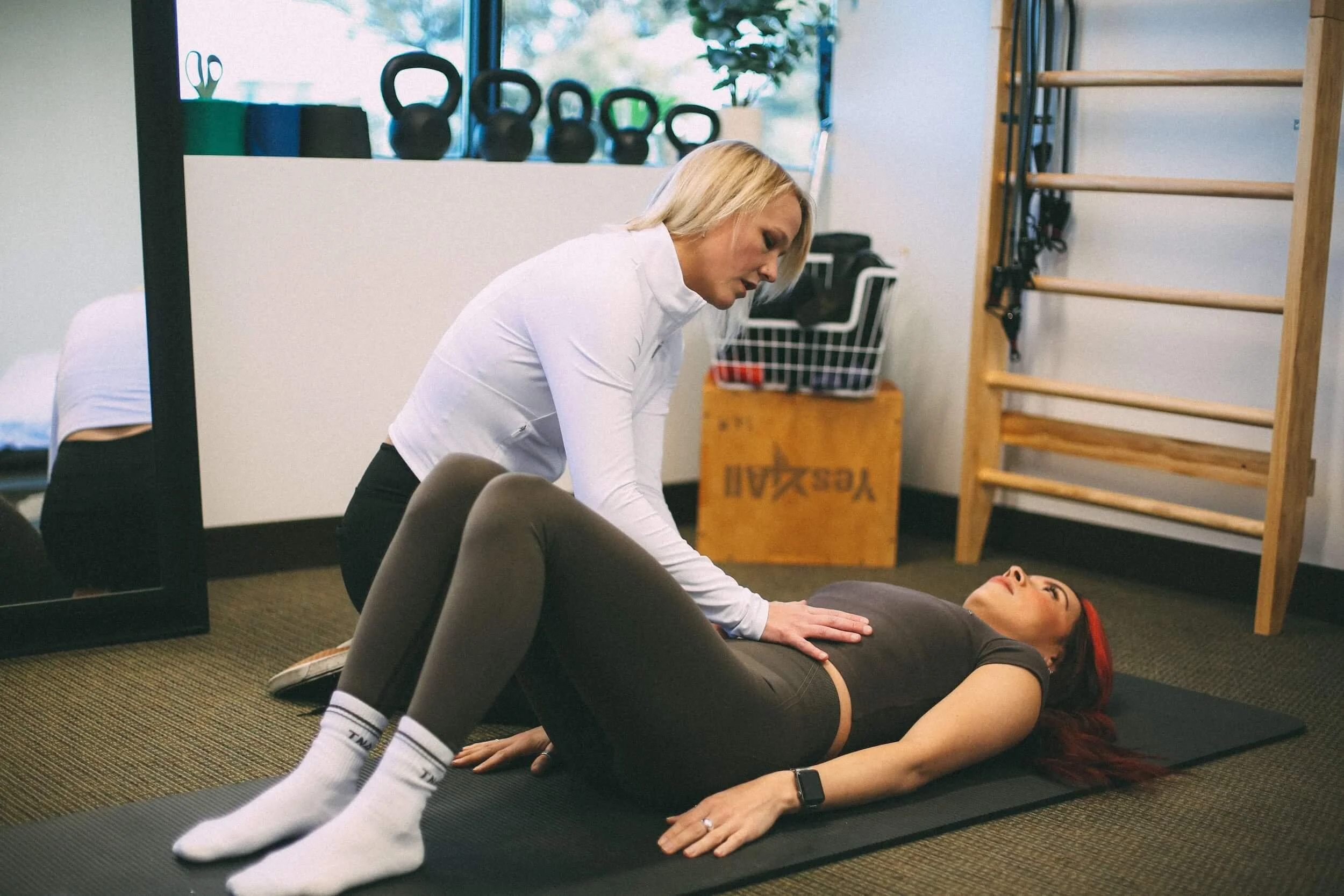
A pelvic floor physical therapist can identify the specific driver behind your sexual dysfunction — whether it's muscle tension, scar tissue, pelvic girdle alignment, or a combination of factors. Treatment approaches include:
Manual pelvic floor releases to reduce muscle tension and improve tissue mobility
Scar tissue mobilization for perineal tears or cesarean incisions
Dry needling to address persistent trigger points in the pelvic floor
Stability exercises for the glutes and core to reduce compensatory pelvic floor tension during pregnancy
Perineal preparation techniques before birth to reduce tearing risk and minimize scar tissue formation
Education and home exercises to support ongoing recovery
Pelvic Floor PT for Sexual Health in Denver
Whether you're pregnant, newly postpartum, or years out from delivery, it's never too late to address pelvic floor dysfunction that's affecting your sexual health. At Pelvic Symphony PT in Greenwood Village, Dr. Chelsea Speegle, PT, DPT, PCES provides expert, individualized care for pregnancy-related and postpartum sexual dysfunction. Schedule your evaluation today.